
Table of Contents
- Understanding the Foundation of Wise Healthy Aging
- Physical Health and Chronic Condition Management
- Strategy 1: Master Medication Management Systems
- Strategy 2: Adapt Exercise Routines for Aging Bodies
- Strategy 3: Optimize Nutrition for Metabolic Changes
- Financial Security for Healthy Aging
- Strategy 4: Maximize Fixed Income Efficiency
- Strategy 5: Plan for Healthcare Cost Escalation
- Social Connection and Mental Wellness
- Strategy 6: Build Diverse Social Networks
- Strategy 7: Combat Loneliness Through Purpose-Driven Activities
- Technology Integration for Independent Living
- Strategy 8: Adopt Health Monitoring Technologies
- Strategy 9: Master Communication and Safety Technologies
- Transitioning Life Roles and Maintaining Purpose
- Strategy 10: Navigate the Caregiver Transition
- Strategy 11: Redefine Identity and Purpose Post-Career
- Creating Your Personal Aging Action Plan
- Strategy 12: Develop Integrated Wellness Systems
- How do I start implementing wise healthy aging strategies if I’m already dealing with multiple chronic conditions?
- What resources are available for wise and healthy aging jobs or volunteer opportunities?
- How can I afford healthy aging strategies on a limited fixed income?
- What should I do if I feel overwhelmed by technology requirements for aging in place?
- How do I maintain social connections when transportation becomes challenging?
- When should I consider moving to a community focused on wise healthy aging?
- How do I balance independence with accepting help as I age?
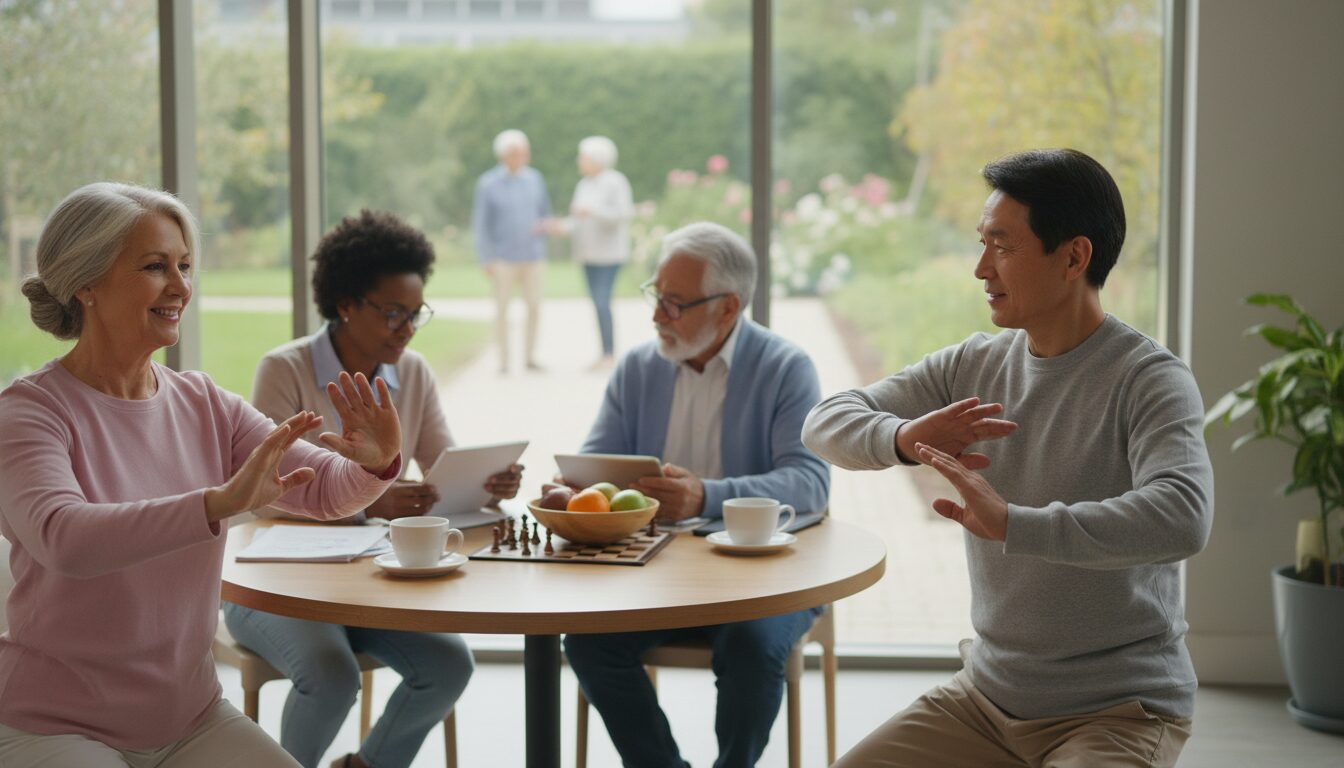
Wise healthy aging encompasses the deliberate adoption of lifestyle practices, health management strategies, and social connections that promote physical, mental, and financial well-being throughout the later decades of life.
• Understanding the Foundation of Wise Healthy Aging
• Physical Health and Chronic Condition Management
– Managing Multiple Medications Safely
– Exercise Adaptation for Aging Bodies
– Nutrition Optimization
• Financial Security for Healthy Aging
– Fixed Income Strategies
– Healthcare Cost Planning
• Social Connection and Mental Wellness
– Combating Loneliness
– Community Engagement
• Technology Integration for Independent Living
• Transitioning Life Roles and Maintaining Purpose
• Creating Your Personal Aging Action Plan
• Frequently Asked Questions
Understanding the Foundation of Wise Healthy Aging
Wise healthy aging requires a proactive, evidence-based approach that addresses physical health, financial security, social connections, and adaptive capacity simultaneously. Rather than simply managing decline, this approach focuses on optimizing function and maintaining independence across multiple life domains.
Research demonstrates that successful aging involves more than avoiding disease. The MacArthur Study of Successful Aging identified three key components: low probability of disease and disease-related disability, high cognitive and physical functional capacity, and active engagement with life. These findings form the scientific foundation for comprehensive aging strategies that include incorporating mental wellness assessments to monitor cognitive health throughout the aging process.
The concept gained significant recognition through organizations focused on wise and healthy aging santa monica and similar communities, where integrated approaches to senior wellness have shown measurable outcomes in quality of life metrics.
Physical Health and Chronic Condition Management
Strategy 1: Master Medication Management Systems
Effective medication management becomes increasingly critical as prescription complexity rises with age, requiring systematic approaches to prevent dangerous interactions and ensure therapeutic effectiveness.
Developing a comprehensive medication tracking system involves creating detailed medication schedules, understanding drug interactions, and maintaining regular communication with healthcare providers. This includes monitoring cardiovascular medications closely, as understanding what your resting heart rate means for your health can help you and your doctor assess medication effectiveness.
Strategy 2: Adapt Exercise Routines for Aging Bodies
Age-appropriate exercise modifications focus on maintaining functional capacity while minimizing injury risk through targeted strength, balance, and cardiovascular training.
Regular physical activity supports immune system function and overall health maintenance during the aging process. Combining exercise with proper nutrition, including immune system building foods, creates a synergistic effect that enhances overall wellness outcomes.
Strategy 3: Optimize Nutrition for Metabolic Changes
Aging-specific nutritional strategies address slower metabolism, decreased absorption efficiency, and increased risk of chronic diseases through targeted dietary modifications.
Comprehensive nutritional planning for older adults requires understanding how dietary needs change with age and how to adapt food choices accordingly. For detailed guidance on this topic, explore our complete guide to diet and healthy aging which provides evidence-based nutrition strategies for every life stage.
Financial Security for Healthy Aging
Strategy 4: Maximize Fixed Income Efficiency
Strategic budgeting on fixed incomes requires prioritizing health-related expenses while identifying cost-effective alternatives for essential services and products.
Strategy 5: Plan for Healthcare Cost Escalation
Healthcare financial planning must account for increasing medical expenses, long-term care possibilities, and insurance coverage gaps through diversified savings strategies.
Social Connection and Mental Wellness
Strategy 6: Build Diverse Social Networks
Maintaining robust social connections requires intentional relationship building across age groups and interest areas to prevent isolation and cognitive decline.
Strategy 7: Combat Loneliness Through Purpose-Driven Activities
Purpose-driven engagement combines social interaction with meaningful contribution, addressing both isolation and identity concerns common in later life stages.
Maintaining mental wellness through social connections can be supported by technology solutions that help you stay connected and monitor your mental health. Consider exploring evidence-based mental wellness apps that can complement in-person social activities and provide additional support for emotional well-being.
Technology Integration for Independent Living
Strategy 8: Adopt Health Monitoring Technologies
Health monitoring technology adoption focuses on user-friendly devices that track vital signs, medication compliance, and emergency situations without overwhelming complexity.
Strategy 9: Master Communication and Safety Technologies
Communication and safety technology mastery enables continued independence through video calling, emergency alert systems, and smart home automation tailored for senior users.
Transitioning Life Roles and Maintaining Purpose
Strategy 10: Navigate the Caregiver Transition
The caregiver transition requires emotional adjustment, practical skill development, and support system activation to manage new responsibilities effectively.
Strategy 11: Redefine Identity and Purpose Post-Career
Post-career identity redefinition involves exploring new interests, volunteer opportunities, and social roles that provide meaning and structure beyond traditional employment.
Creating Your Personal Aging Action Plan
Strategy 12: Develop Integrated Wellness Systems
Integrated wellness systems coordinate all aspects of healthy aging through personalized plans that address individual health conditions, financial situations, and lifestyle preferences.