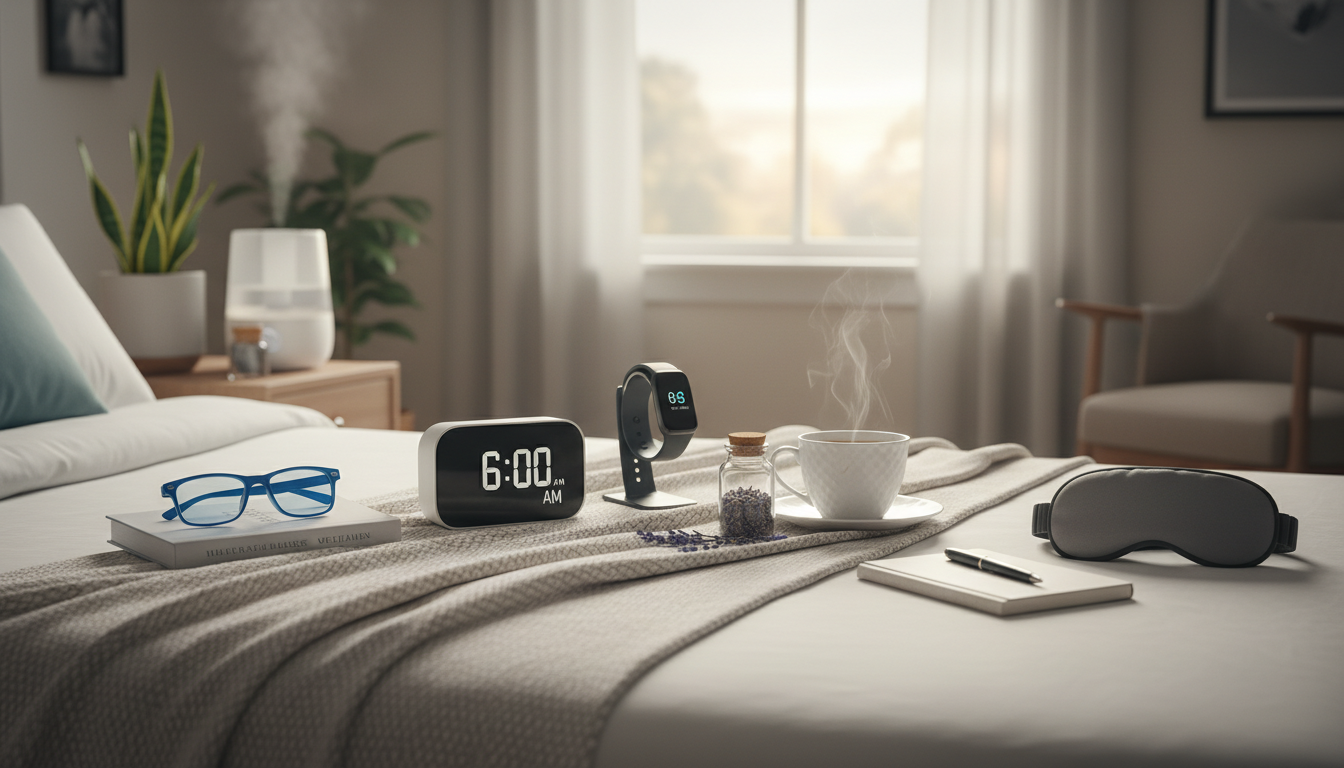
In 2026, sleep deprivation remains one of the most prevalent health issues affecting millions of people worldwide. Whether you’re struggling with occasional sleeplessness or chronic insomnia, the impact on your physical health, mental clarity, and overall quality of life cannot be overstated. The good news? Science has provided us with proven, evidence-based strategies that can significantly improve your sleep quality without relying solely on medication.
You might also find our guide on Mental Health and Productivity: How to Build Healthy Boundaries at Work in 2026 helpful. Additionally, see The Complete Guide to Understanding Food Labels and Nutritional Claims in 2026.
Let’s explore five powerful techniques that can help you reclaim the restorative sleep you deserve.
1. Master Your Circadian Rhythm Through Strategic Light Exposure
Your body’s internal clock, known as your circadian rhythm, plays a fundamental role in regulating sleep-wake cycles. In 2026, sleep researchers continue to emphasize light exposure as one of the most powerful tools for optimizing sleep quality.
How Light Affects Your Sleep
Your eyes contain specialized cells that detect light and signal your brain to regulate melatonin production—the hormone responsible for sleepiness. When you expose yourself to bright light in the morning, you strengthen your circadian rhythm and promote earlier evening sleepiness.
Practical Implementation
- Get morning sunlight: Aim for 15-30 minutes of natural light exposure within the first hour of waking
- Reduce evening light: Dim lights 2-3 hours before bedtime and use blue light filters on devices
- Consider light therapy lamps: If you live in areas with limited natural sunlight, a 10,000 lux light therapy lamp can be highly effective
- Maintain consistency: Keep your wake time consistent, even on weekends
Research from 2026 shows that people who prioritized morning light exposure reported a 40% improvement in sleep onset time within just two weeks.
2. Implement the Power of Temperature Optimization
Your body temperature naturally drops when you sleep, and maintaining an optimal sleep environment temperature is crucial for sleep quality.
The Science Behind Temperature
A cooler bedroom signals your body that it’s time to sleep. Most sleep experts recommend maintaining a bedroom temperature between 60-67°F (15-19°C), though individual preferences vary.
Temperature Strategies for Better Sleep
- Invest in breathable bedding: High-quality cotton or moisture-wicking materials help regulate body temperature
- Use a cooling mattress pad: These devices have gained popularity in 2026 for their ability to maintain optimal sleep temperature throughout the night
- Take a warm bath or shower: Paradoxically, warming your body before bed causes a subsequent temperature drop that promotes sleep
- Adjust your sleepwear: Choose lightweight, breathable pajamas that prevent overheating
Studies indicate that temperature optimization can reduce the time it takes to fall asleep by up to 30 minutes.
3. Establish a Consistent Sleep Schedule and Wind-Down Routine
Consistency is one of the most underrated yet highly effective strategies for improving sleep quality. Your body thrives on predictability.
Why Consistency Matters
When you maintain the same sleep and wake times daily, you train your body to anticipate rest. This consistency strengthens your circadian rhythm and makes falling asleep significantly easier.
Creating Your Ideal Wind-Down Routine
- Set a consistent bedtime: Go to bed and wake up at the same time every day, including weekends
- Start winding down 60 minutes before bed: This buffer period allows your nervous system to transition from wakefulness to sleep
- Avoid screens 30-60 minutes before sleep: The blue light from phones, tablets, and computers suppresses melatonin production
- Try relaxation techniques: Progressive muscle relaxation, deep breathing, or meditation can calm your mind
- Keep your bedroom for sleep only: Avoid working, eating, or watching TV in bed
A 2026 study found that people who maintained consistent sleep schedules reported 50% fewer insomnia symptoms compared to those with irregular sleep patterns. This commitment to routine complements other wellness habits, such as building healthy boundaries at work, which can prevent work-related stress from disrupting your evening wind-down time.
4. Optimize Your Diet and Timing of Consumption
What you eat and when you eat it directly impacts your sleep quality. Nutritional science in 2026 has revealed specific dietary approaches that enhance sleep.
Foods That Promote Sleep
- Magnesium-rich foods: Almonds, pumpkin seeds, spinach, and dark chocolate contain magnesium, which promotes relaxation
- Tryptophan sources: Turkey, chicken, cheese, and nuts contain this amino acid that your body converts to serotonin and melatonin
- Complex carbohydrates: Whole grains, oatmeal, and sweet potatoes help tryptophan reach your brain more effectively
- Fatty fish: Salmon, mackerel, and sardines provide omega-3 fatty acids that support sleep regulation
Timing Recommendations
- Eat your last meal 2-3 hours before bed: This allows digestion to progress without disrupting sleep
- Limit caffeine after 2 PM: Caffeine has a half-life of 5-6 hours, meaning it remains in your system much longer than you might think
- Reduce alcohol consumption: While alcohol might help you fall asleep initially, it significantly disrupts sleep quality and REM sleep
- Stay hydrated during the day: Drink water throughout the day but reduce intake 1-2 hours before bed to minimize nighttime bathroom trips
For more detailed information on making informed nutritional choices, refer to our complete guide to understanding food labels and nutritional claims, which can help you identify sleep-supporting nutrients in your grocery selections.
5. Incorporate Cognitive Behavioral Therapy for Insomnia (CBT-I)
Cognitive Behavioral Therapy for Insomnia has emerged as one of the most effective, evidence-based treatments for chronic insomnia in 2026, often outperforming medication.
What Is CBT-I?
CBT-I is a structured therapeutic approach that addresses the thoughts, behaviors, and habits that perpetuate insomnia. It’s particularly effective because it treats the root causes rather than just masking symptoms.
Core CBT-I Components
- Sleep restriction therapy: Limiti
Leave a Reply